

Martin Scorsese’s latest film, Killers of the Flower Moon, premieres at Les Films de Cannes à Bucarest (October 20 – 29)
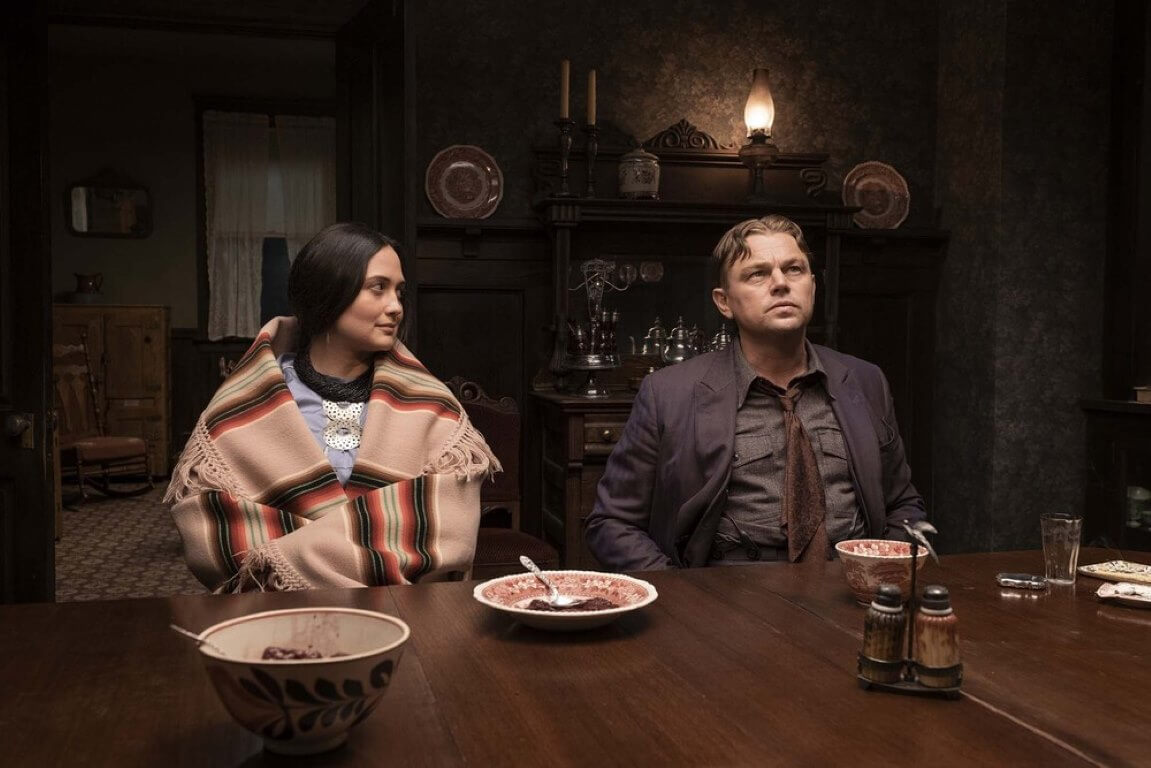
Leonardo DiCaprio and Robert De Niro star in Martin Scorsese’s highly anticipated film, Killers of the Flower Moon, which was presented out of competition at Cannes. The impact on the audience was so profound that at the end of the screening, the standing ovation and applause lasted for nine minutes. The film will have its first screening in Romania at the Les Films de Cannes à Bucarest, (20 – 29 October). Additionally, the latest films by Ken Loach, Hirokazu Kore-eda, and Michel Gondry will also have their premieres at the festival.
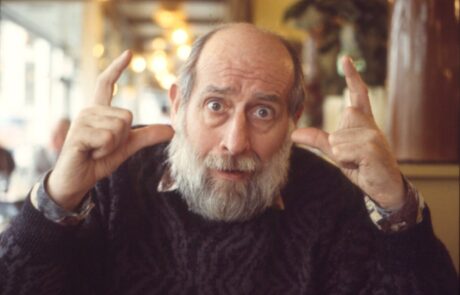
French director Nicolas Philibert, winner of the Golden Bear at the Berlin Film Festival, is invited to Bucharest during the second weekend of the festival. Over the past two decades, the director has had more than 120 retrospectives, including ones at the British Film Institute (BFI) and the Museum of Modern Art (MoMA), and will have one as part of Les Films de Cannes à Bucarest. n addition to screenings of the film that earned him acclaim in Berlin, Sur l’Adamant, The Romanian audience will also have the opportunity to view two other films by the director: Le Pays des sourds (1992) and Être et avoir (2002).
The latest films by Martin Scorsese, Ken Loach, Hirokazu Kore-eda, and Michel Gondry are being showcased at Les Films de Cannes.
In the 1920s, the population with the highest per capita income in the world were the members of the Osage Indian Nation in the state of Oklahoma: beneath their lands, oil had been discovered. Then, one by one, the people of Osage County began to be murdered. Based on true events, Killers of the Flower Moon exposes a sinister conspiracy from the recent history of the United States of America. Scorsese’s film manages to be an epic Western, a love story, a somber reflection on the U.S.’s relationship with indigenous populations, and a classic Scorsese work, benefiting from the magic that the director brings to the screen when working with two of his most famous collaborators (Leonardo DiCaprio and Robert De Niro).
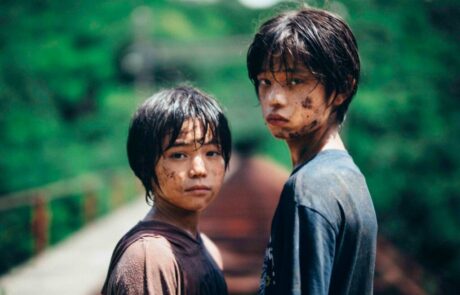
“Who is the monster?” is the question posed by Monster, awarded for Best Screenplay at Cannes (by Yuji Sakamoto). A child becomes violent. The mother accuses the teacher, the teacher denies any responsibility, and the school remains entirely evasive. The truth only emerges once we see things from all perspectives. Hirokazu Kore-eda is one of the most prominent Japanese directors of recent years. His films have won numerous awards at Cannes over time, including Shoplifters (2018, Palme d’Or) and Like Father, Like Son (2013, Jury Prize), and his signature style is unmistakable: a unique empathy and tenderness in portraying children and adolescents with behavioral issues.
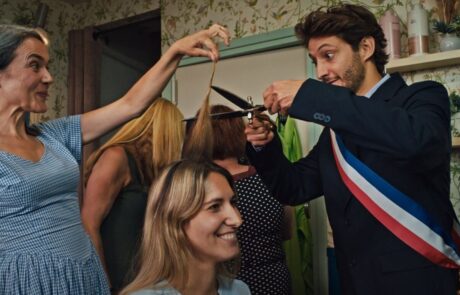
Marc (Pierre Niney) is a bipolar and paranoid director who escapes with the filmed material and the production team to a countryside house in order to finish his film according to his own desires, rather than those of the producers. Once there, the team members become hostages to the director’s mood swings, teetering on the border between comedy and psychosis. Le Livre des solutions is a clever and self-ironic comedy about egocentrism and the “demons of creation” by Michel Gondry.
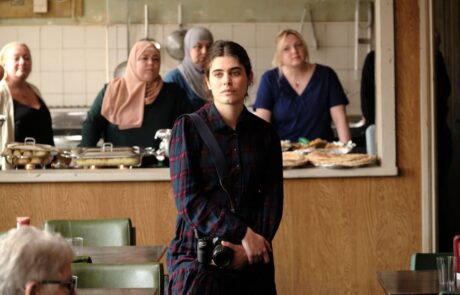
The Old Oak is a special place. Not only is it the last pub standing, it is the only remaining public space where people can meet in a once thriving mining community that has now fallen on hard times after 30 years of decline. TJ Ballantyne (Dave Turner), the landlord, hangs on to The Old Oak by his fingertips, and his hold is endangered even more when the pub becomes contested territory after the arrival of Syrian refugees who are placed in the village. An unlikely friendship develops when TJ encounters a young Syrian with a camera, Yara (Ebla Mari). Together, they come up with the idea of bringing the two communities together at the dinner table to help them coexist. The Old Oak is a profoundly moving drama directed by Ken Loach.
Retrospective of Nicolas Philibert in the presence of the director.
Nicolas Philibert made his debut in the world of feature-length documentaries in 1978, and after gaining experience in television, where he created adventure films, he dedicated himself to directing feature-length documentaries for the cinema. His preferred themes revolve around small, marginalized communities and beings (both humans and animals) who experience the world differently than the majority.
Le Pays des sourds (Official Selection at Locarno, 1992) will also be screened in Bucharest, and the question of what the world looks like for the thousands of people who live in silence lays the foundation of the film. Philibert follows individuals like Jean-Claude, Abou, Claire, Florent, and others, who lost their hearing completely at birth or in the first months of life, and as a result, they dream, think, and communicate through signs, in a world where sight and touch are crucial.
In 2002, his film Être et avoir was screened as part of the official selection at the Cannes Film Festival, enjoying immense success in France and in over 40 other countries. It is the second film in the Bucharest retrospective. In the heart of the Auvergne region, the director follows one of those schools where all the children in the village, from preschool to almost adolescence, belong to a single class, with a single teacher, experiencing all the ups and downs that come with the coexistence of such an eclectic group.
Sur l’Adamant (2022), winner of the Golden Bear at the Berlin International Film Festival, introduces us to the world of psychiatry. It is an observational documentary filmed in an unconventional Parisian asylum located on the Seine River, within a floating structure. This is the first part of a trilogy that the author dedicates to the world of psychiatry, with the hope that by exposing audiences to this world, they will become more empathetic towards individuals with mental disorders.
The festival schedule, film information, and guest details will be available on www.filmedefestival.ro and on the social media accounts Facebook and Instagram.
Killers of the Flower Moon is presented at the festival in partnership with the Romanian distributor RO Image and will be released in theaters on October 20th under the title Crimele din Osage County: Bani însângerați (The Osage County Murders: Blood Money). Le Livre des solutions is distributed in Romania by Bad Unicorn. The Old Oak is distributed in Romania by Independența Film. Sur l’Adamant is distributed in Romania by Voodoo Films.

***
Les Films de Cannes à Bucarest Festival is presented by Orange Romania, a traditional partner of the event.
Inspired by: UniCredit Bank
With the support of: Pepsi, Catena, Groupama
A cultural project financed by: The Romanian Film Centre, SACD / Société des Auteurs et Compositeurs Dramatiques, the French Embassy in Romania and the French Institute in Romania, and the Italian Cultural Institute.
Partners: Mercure Hotel, Avanpost, Abator, Cinema Muzeul Țăranului, Arhiva Națională de Filme – Cinemateca Română, Europa Cinemas, Aparterre, Air France, Cărturești, Ototo
Les Films de Cannes à Bucarest is a project co-financed by the Bucharest City Hall through ARCUB within the Bucharest – Affective City 2023 programme. For more detailed information about the financing program of the Bucharest mayorship through ARCUB, please visit www.arcub.ro.
Media Partners: PRO TV, RockFM, Agerpres, Libertatea, Elle România, Scena9, Revista Biz, Haute Culture Magazine, Zile și Nopți, IQads, Igloo, Cultura la Dubă, Films in Frame
Cultural partner: RFI România
**The content of this material does not necessarily represent the official position of the Bucharest City Hall or that of ARCUB.

